
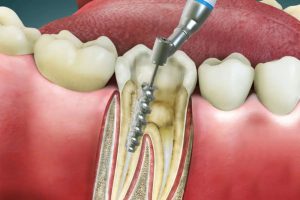
 When it comes to dental health, understanding the signs that indicate a potential need for a root canal can be crucial. Root canal treatment is a common procedure designed to save a tooth that has become infected or severely decayed. Recognizing the symptoms early can prevent further complications and alleviate pain. Below, we explore five key signs that may suggest you need a root canal.
1. Persistent Tooth Pain
One of the most significant indicators that you might require a root canal is ongoing tooth pain. This discomfort can manifest in various ways, including:
- Throbbing Pain: You may experience a deep, throbbing sensation that seems to radiate from the tooth to other areas of your face, such as your jaw or ear. This pain can be constant or intermittent but often intensifies when you chew or apply pressure to the affected tooth.
- Pain During Eating: If you notice that certain foods or activities, like biting down or chewing, trigger sharp pain, this could indicate that the pulp inside your tooth is inflamed or infected.
- Resting Pain: Unlike typical tooth sensitivity, which may come and go, pain that persists even when you are not eating or drinking is a strong signal that something is wrong.
If you find yourself experiencing tooth pain that lasts for more than a few days, it’s essential to consult a dental professional. Ignoring this symptom can lead to more severe issues, including the potential loss of the tooth.
2. Prolonged Sensitivity to Temperature
Another common sign that you may need a root canal is heightened sensitivity to hot and cold temperatures. This sensitivity can be particularly telling:
- Lingering Discomfort: If you feel a sharp pain when consuming hot beverages like coffee or cold treats like ice cream, and this discomfort lingers long after you’ve stopped eating or drinking, it may indicate nerve damage within the tooth.
- Gradual Increase in Sensitivity: Initially, you might notice mild sensitivity, but over time, this can escalate to more severe pain. This progression often suggests that the infection is worsening and affecting the tooth’s inner structures.
- Reaction to Temperature Changes: If your tooth reacts painfully to temperature changes, even when you breathe in cool air, it’s a sign that the pulp may be compromised.
If you experience prolonged sensitivity, it’s advisable to seek dental evaluation to determine the underlying cause and appropriate treatment.
3. Tooth Discoloration
A noticeable change in the color of your tooth can also be a warning sign that you may need a root canal. Here’s what to look for:
- Darkening of the Tooth: If a tooth suddenly appears darker or takes on a grayish hue compared to surrounding teeth, this could indicate that the pulp is dying or has already died. This discoloration is often more apparent in front teeth.
- Trauma or Decay: Discoloration can result from trauma to the tooth or extensive decay that has reached the pulp. If you notice this change alongside other symptoms, it’s crucial to consult your dentist.
- Differentiating Factors: While surface stains from food or beverages can cause discoloration, a tooth that changes color from within is a more serious concern and typically requires professional evaluation.
If you observe any discoloration, especially if accompanied by pain or sensitivity, it’s essential to schedule an appointment with your dentist.
4. Swollen or Tender Gums
Swelling or tenderness in the gums surrounding a tooth can be another significant indicator of a potential root canal requirement. Here’s what to consider:
- Gum Inflammation: If you notice that your gums are swollen, red, or tender near a specific tooth, this could suggest that an infection has spread from the tooth to the surrounding gum tissue.
- Abscess Formation: In some cases, you may see a small pimple-like bump on your gums, known as a gum boil or abscess. This bump can ooze pus and may be accompanied by a foul taste in your mouth or bad breath.
- Painful Sensation: The area around the affected tooth may feel sore to the touch or when you chew. This tenderness is often a sign that the infection is affecting the surrounding tissues.
If you experience swelling or tenderness in your gums, it’s crucial to seek dental care promptly to prevent the infection from spreading further.
5. A Cracked or Chipped Tooth
Physical damage to a tooth, such as a crack or chip, can also lead to the need for a root canal. Here’s how to assess this situation:
- Entry Point for Bacteria: A crack or chip can expose the inner pulp of the tooth to bacteria, leading to infection. Even minor damage can escalate into a more severe issue if left untreated.
- Pain and Sensitivity: If you notice pain or sensitivity in a tooth that has been chipped or cracked, it’s essential to have it evaluated by a dentist. The injury may have compromised the tooth’s structure and allowed bacteria to enter.
- Immediate Attention: After any dental injury, it’s wise to consult your dentist, even if you don’t experience immediate pain. Early intervention can help prevent further complications and preserve the tooth.
If you have a cracked or chipped tooth, don’t delay in seeking professional dental care to assess the damage and determine the best course of action.
Recognizing the signs that you might need a root canal is essential for maintaining your oral health. Persistent tooth pain, prolonged sensitivity to temperature, tooth discoloration, swollen or tender gums, and a cracked or chipped tooth are all indicators that warrant a visit to your dentist.
We Provide Restorative Tooth Care Services
Treating tooth decay and other issues early will allow the most conservative treatment possible, so that you can have a healthy smile for a lifetime.
> Learn More
—
 About Torbeck Dental
Torbeck Dental treats every patient with dignity and excellent care. We are highly trained dental professionals with exceptionally friendly and helpful service. We understand that for many, visiting a dentist can be a stressful experience so our comfortable surroundings and compassionate staff will ease any fears you may have. We are here to help you achieve your happiest and healthiest smile! Our dental team are a group of experienced professionals using the latest treatments. Our team has the professional experience to realize that there is no such thing as one-size-fits-all treatment, so we never use a one-size-fits-all approach to your dental plan. We provide quality and personalized oral health care while keeping your individuality in mind. Our goal is to improve and maintain your oral health so you can smile with confidence!