
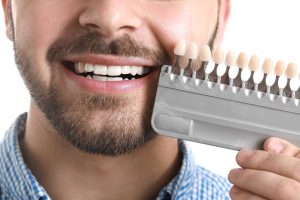
 Teeth restoration is a vital aspect of dental care that focuses on repairing and enhancing the functionality and aesthetics of damaged or missing teeth. Many individuals face dental issues due to decay, injury, or wear over time. Fortunately, restorative dentistry offers a range of solutions tailored to meet the unique needs of each patient. This article explores how dentists can assist in restoring your smile, the various procedures available, and the benefits of seeking restorative dental care.
Understanding Restorative Dentistry
Restorative dentistry is a specialized branch of dentistry dedicated to diagnosing and treating issues related to damaged or missing teeth. The primary goal is to restore the function and appearance of teeth, ensuring that patients can eat, speak, and smile confidently. This field encompasses a variety of procedures, including fillings, crowns, bridges, implants, and more.
The Importance of Restorative Care
Restorative care is crucial for maintaining oral health. Untreated dental issues can lead to further complications, such as misalignment of teeth, jaw discomfort, and even systemic health problems. By addressing these concerns promptly, restorative dentistry helps prevent the progression of dental diseases and enhances overall well-being.
Who Can Benefit from Restorative Dentistry?
Anyone experiencing dental problems can benefit from restorative dentistry. Common issues that may require intervention include:
-
- Cavities: Resulting from tooth decay, cavities can lead to pain and further damage if left untreated.
- Cracked or Chipped Teeth: Accidents or grinding can cause teeth to break, necessitating repair.
- Missing Teeth: Tooth loss can affect chewing, speaking, and self-esteem.
- Gum Disease: Infections in the gums can lead to tooth loss if not addressed.
Common Restorative Procedures
Dentists employ various restorative procedures to address specific dental issues. Here are some of the most common treatments:
Dental Fillings
Fillings are used to repair cavities caused by decay. The dentist removes the decayed portion of the tooth and fills the cavity with a durable material, such as composite resin or amalgam. This procedure not only restores the tooth’s structure but also prevents further decay.
Crowns
Crowns, often referred to as caps, are used to cover and protect damaged teeth. They are particularly useful for teeth that have undergone extensive decay or have been fractured. The dentist shapes the tooth and places a custom-made crown over it, restoring its shape, size, and function.
Bridges
Bridges are designed to replace one or more missing teeth. They consist of artificial teeth anchored to adjacent natural teeth or dental implants. This solution helps restore the ability to chew and speak properly while maintaining the alignment of surrounding teeth.
Dental Implants
Dental implants are a popular and effective solution for replacing missing teeth. They involve surgically placing a titanium post into the jawbone, which serves as a replacement root. Once healed, a crown is attached to the implant, providing a natural-looking and functional tooth.
Root Canal Therapy
When decay reaches the pulp of a tooth, a root canal may be necessary. This procedure involves removing the infected pulp, cleaning the interior of the tooth, and sealing it to prevent further infection. A crown is often placed afterward to restore the tooth’s strength.
The Role of Technology in Restorative Dentistry
Advancements in dental technology have significantly improved the effectiveness and comfort of restorative procedures. Modern techniques allow for more precise diagnoses and treatments, leading to better outcomes for patients.
Digital Imaging
Digital X-rays provide detailed images of the teeth and surrounding structures, enabling dentists to identify issues that may not be visible during a routine examination. This technology allows for quicker diagnosis and treatment planning.
CAD/CAM Technology
Computer-aided design and manufacturing (CAD/CAM) technology enable dentists to create custom restorations, such as crowns and bridges, in a single visit. This innovation reduces the need for multiple appointments and enhances patient convenience.
Laser Dentistry
Lasers are increasingly used in restorative procedures, offering a less invasive option for treatments such as cavity removal and gum reshaping. Laser technology minimizes discomfort and promotes faster healing.
Benefits of Restorative Dentistry
Choosing restorative dentistry offers numerous advantages for patients seeking to improve their oral health and overall quality of life.
Enhanced Functionality
Restorative procedures restore the ability to chew and speak effectively. Patients can enjoy their favorite foods without discomfort and communicate confidently.
Improved Aesthetics
Restorative dentistry not only focuses on functionality but also enhances the appearance of the smile. Treatments like crowns, veneers, and whitening can significantly improve the visual appeal of teeth.
Increased Self-Esteem
A healthy, attractive smile can boost self-confidence. Patients often feel more comfortable in social situations and are more likely to smile freely after undergoing restorative treatments.
Long-Term Oral Health
By addressing dental issues early, restorative dentistry helps prevent more severe problems down the line. This proactive approach contributes to better overall oral health and reduces the risk of complications.
The Process of Teeth Restoration
Understanding the process of teeth restoration can help alleviate any concerns patients may have about seeking treatment.
Initial Consultation
The first step in restorative dentistry is a comprehensive examination by the dentist. This may include digital imaging and a discussion of the patient’s dental history and concerns. Based on this assessment, the dentist will recommend a personalized treatment plan.
Treatment Planning
Once the dentist has identified the necessary procedures, a detailed treatment plan will be created. This plan outlines the steps involved, estimated timelines, and costs associated with the treatments.
Procedure Execution
Depending on the complexity of the treatment, procedures may be completed in one or multiple visits. The dentist will ensure that the patient is comfortable throughout the process, using local anesthesia or sedation as needed.
Follow-Up Care
After the restoration is complete, follow-up appointments may be scheduled to monitor healing and ensure the success of the treatment. The dentist will provide guidance on maintaining oral hygiene and caring for the restored teeth.
Choosing the Right Restorative Dentist
Selecting a qualified restorative dentist is crucial for achieving the best results. Here are some factors to consider:
Experience and Credentials
Look for a dentist with extensive experience in restorative procedures. Check their credentials, including education, training, and any specialized certifications in restorative dentistry.
Technology and Techniques
A modern dental practice should utilize the latest technology and techniques to enhance patient care. Inquire about the tools and methods the dentist employs for restorative treatments.
Patient Reviews
Reading patient reviews and testimonials can provide insight into the dentist’s reputation and the quality of care they offer. Look for feedback regarding the dentist’s communication, comfort level, and overall satisfaction.
Consultation
Schedule a consultation to meet the dentist and discuss your concerns. This initial meeting allows you to gauge their approach to patient care and determine if they are the right fit for your needs.
Maintaining Your Restored Smile
After undergoing restorative dentistry, it’s essential to maintain your new smile through proper care and hygiene practices.
Regular Dental Check-Ups
Routine dental visits are crucial for monitoring the health of your restored teeth and overall oral health. Your dentist can identify any potential issues early and provide necessary treatments.
Good Oral Hygiene
Practicing good oral hygiene at home is vital for the longevity of your restorations. Brush your teeth twice a day, floss daily, and use an antibacterial mouthwash to keep your mouth healthy.
Avoiding Harmful Habits
Certain habits, such as grinding teeth or chewing on hard objects, can damage restorations. Be mindful of these behaviors and discuss any concerns with your dentist.
Healthy Diet
A balanced diet rich in vitamins and minerals supports oral health. Limit sugary foods and beverages, as they can contribute to decay and compromise the integrity of restorations.
Restorative dentistry plays a crucial role in enhancing oral health and restoring smiles. With a variety of procedures available, dentists can address a wide range of dental issues, ensuring that patients regain functionality and aesthetics. By understanding the benefits and processes involved in restorative care, individuals can make informed decisions about their dental health and enjoy the confidence that comes with a beautiful smile. If you’re facing dental challenges, consider consulting a restorative dentist to explore your options for a healthier, happier smile.
Torbeck Dental Provides Aesthetic Dentistry Services
When you think about enhancing your smile, aesthetic dentistry offers a world of possibilities to transform your dental appearance. From teeth whitening to veneers, you have access to a range of procedures designed to improve the color, shape, size, and alignment of your teeth.
> Learn More
Contact us (859) 586-7900 for more information or to make an appointment!
—
 About Torbeck Dental
Torbeck Dental treats every patient with dignity and excellent care. We are highly trained dental professionals with exceptionally friendly and helpful service. We understand that for many, visiting a dentist can be a stressful experience so our comfortable surroundings and compassionate staff will ease any fears you may have. We are here to help you achieve your happiest and healthiest smile! Our dental team are a group of experienced professionals using the latest treatments. Our team has the professional experience to realize that there is no such thing as one-size-fits-all treatment, so we never use a one-size-fits-all approach to your dental plan. We provide quality and personalized oral health care while keeping your individuality in mind. Our goal is to improve and maintain your oral health so you can smile with confidence!