
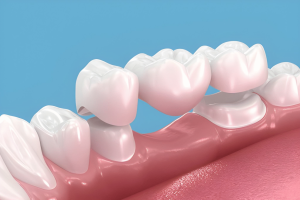
 Porcelain bridges offer a fixed solution to replace one or more missing teeth and restore both appearance and function. Tooth trauma affects 10-35% of the general population. This makes dental restoration options relevant. Porcelain blends closely with natural enamel, so porcelain dental bridges look realistic and help you chew and speak clearly. This piece will walk you through what makes porcelain fixed bridges different from other materials and the specific signs that indicate you need one. We’ll also cover the various types of porcelain crowns and bridges available and how long teeth bridges last with proper care. These restorations last five to 15 years on average, with some patients enjoying them for 20 years or more.
Understanding Porcelain Dental Bridges
What Makes Porcelain Different
Porcelain mimics the translucency and color of natural teeth. Light passes through the restoration just like natural enamel. This material can be color-matched to blend naturally with your surrounding teeth. The smooth, non-porous surface resists stains better than many alternatives.
You’ll find two main porcelain options. All-porcelain bridges contain no metal core. This prevents any dark lines from appearing if gums recede over time. Porcelain-fused-to-metal (PFM) bridges combine a metal substructure with a porcelain overlay. They deliver solid strength but carry a risk of a gray gum line. The metal framework provides durability while the porcelain layer maintains a natural appearance.
Porcelain can chip or crack under heavy chewing forces, especially on back teeth. The material is brittle compared to metal alternatives. All-ceramic and lithium disilicate materials work best for front teeth since they offer superior translucency.
How Porcelain Bridges Replace Missing Teeth
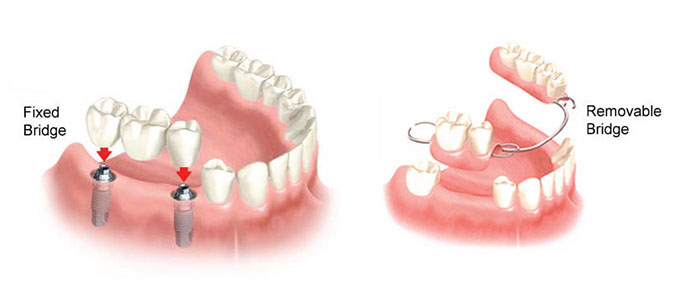
A porcelain fixed bridge consists of two crowns that fit over anchor teeth (called abutment teeth) on either side of the gap. These crowns support one or more artificial teeth (pontics) in between and bridge the space left by missing teeth.
We remove a portion of enamel from the two anchoring teeth during placement. This creates space for the crowns. An impression captures the exact shape of your prepared teeth, which a dental laboratory uses to fabricate your custom bridge. The bridge stays cemented in place as a non-removable appliance.
Only a small amount of enamel needs removal from neighboring teeth. This minimal alteration preserves tooth structure and maintains the health of your remaining teeth over time.
Benefits of Choosing Porcelain
Porcelain crowns and bridges deliver several distinct advantages:
-
- Natural esthetics: The material blends naturally with surrounding teeth and creates a harmonious smile that boosts confidence in social and professional settings
- Prevents tooth shifting: Gaps cause adjacent teeth to drift and create bite misalignment, but a fixed bridge stops this movement
- Restores full function: Missing teeth on the sides or back make talking and chewing difficult. A bridge brings back these abilities
- Fixed solution: You don’t remove the bridge like dentures, so it stays securely in place
- Non-surgical option: Placement doesn’t require surgery like dental implants do, with a quicker turnaround of weeks instead of months
Signs You Need a Porcelain Bridge
You Have One or More Missing Teeth
The average adult has three or more missing or decayed teeth by age 64. A third of adults 65 and older have lost at least six teeth. Missing teeth affect how you chew and make speaking harder. Porcelain dental bridges fill these gaps to restore balance and appearance.
Surrounding Teeth Are Shifting
The missing tooth leaves an unnatural gap in your mouth. The rest of your teeth may shift to correct this opening and change your bite’s arrangement. Adjacent teeth no longer have something pushing against them, so they drift toward the gap. This shifting can cause your teeth to fit together improperly and create bite issues. Porcelain fixed bridges prevent neighboring teeth from shifting into the gap left behind by missing teeth.
Chewing Has Become Difficult
Just one back tooth lost can reduce your chewing power by as much as 10 to 30 percent. Tougher foods get swallowed in larger chunks and put more strain on your digestive system. Missing teeth can make it harder to bite and chew certain foods, especially anything hard or sticky. One of the major benefits is restoring how you chew.
Your Dentist Recommends Against Implants
Dental implants require surgery, so they may not be an option for people with medical conditions that slow down healing, such as diabetes or leukemia. A tooth-supported porcelain bridge becomes the most preferred alternative if a patient is at an increased risk of implant failure.
You Want a Fixed Solution
Porcelain crowns and bridges stay cemented in place as non-removable appliances. You don’t remove the bridge like dentures and maintain function without daily hassle.
Different Types of Porcelain Fixed Bridges
Traditional Bridge with Two Crowns
The traditional bridge stands as the most common type. It consists of dental crowns placed on abutment teeth on both sides of the gap with pontics filling the space between. Success rates range from 90% to 95% over 10 years. A traditional bridge that’s maintained well lasts 10 to 15 years, often longer.
This bridge requires filing down and reshaping the abutment teeth to accommodate the crowns, an irreversible process. The whole structure gets cemented into place and forms a sturdy restoration. Traditional bridges can be made of porcelain fused to metal or all-porcelain materials.
Single-Wing Maryland Bridge
Maryland bridges, also called resin-bonded bridges, use metal or porcelain wings bonded to the backs of neighboring teeth instead of full crowns[112]. Your natural teeth need minimal or no alteration. This conservative approach makes them popular to replace front teeth where biting forces are less intense.
Resin bonded bridges show higher success rates when bonded with only one wing. Maryland bridges aren’t strong enough to handle the chewing forces of back teeth, though. They can debond or work loose over time, especially under heavy pressure. The metal framework may also cause bonded teeth to appear discolored.
Cantilever Bridge Design
Cantilever bridges attach to a crown on only one side rather than two. This design provides a viable option when natural teeth exist on just one side of the gap. The bridge extends across the space like a cantilevered shelf.
Support comes from a single abutment tooth, so cantilever bridges place additional stress on that tooth. The abutment tooth may become susceptible to damage or loosening if not maintained well over time. Cantilever bridges can last 10 to 15 years with proper care, but their design makes them unsuitable to replace back teeth that endure major chewing forces.
Lifespan and Maintenance of Porcelain Bridges
How Long Do Bridges Last
Porcelain dental bridges last between 5 and 15 years. Many patients keep their porcelain crowns and bridges for 20 years or more with diligent care. Material selection influences durability. Porcelain-fused-to-metal bridges average 10 to 15 years. All-porcelain options deliver similar longevity. Your oral hygiene habits and whether you grind your teeth affect how long your bridge performs, along with diet choices.
Daily Care for Porcelain Crowns and Bridges
Brush twice daily. Use a soft-bristled toothbrush and fluoride toothpaste. Focus on the junction where the bridge meets your gumline. Flossing under porcelain fixed bridges requires floss threaders or interdental brushes to clean beneath the pontic. Water flossers flush out debris from hard-to-reach areas. Skip hard foods like ice and sticky substances like caramel. They can crack or dislodge your restoration.
Regular Dental Checkups
Your dentist should see you every six months. Professional cleanings remove tartar buildup you can’t eliminate at home. Your dentist examines the bridge for wear and checks supporting teeth for decay while monitoring gum health.
Replacement May Be Needed
Contact your dentist if your bridge feels loose or shifts. Pain during chewing signals potential decay or damage. Visible cracks, chips, or gum swelling around the bridge warrant immediate attention. Persistent bad breath despite good hygiene can indicate infection beneath.
Porcelain bridges restore both function and confidence when you’re dealing with missing teeth. These restorations can last 15 years or more with proper care and represent a worthwhile investment in your oral health. The important thing is choosing the right type based on your specific situation and maintaining it through daily brushing and regular dental visits. Your dentist will help you determine whether a porcelain fixed bridge makes sense based on your individual needs and goals.
FAQs
Q1. Is porcelain a good material choice for dental bridges? Yes, porcelain is an excellent material for dental bridges. It closely mimics the translucency and color of natural teeth, can be color-matched to blend seamlessly with your surrounding teeth, and resists stains better than many alternatives. Porcelain bridges help prevent surrounding teeth from shifting into gaps and restore full chewing function.
Q2. How long can I expect my porcelain bridge to last? Porcelain bridges typically last between 5 and 15 years, though with proper care and maintenance, many patients keep their bridges for 20 years or more. The actual lifespan depends on factors like your oral hygiene habits, diet choices, whether you grind your teeth, and the specific type of bridge material used.
Q3. What are the main disadvantages of getting a dental bridge? The primary drawbacks include the need to file down and reshape healthy adjacent teeth to support the bridge, which is an irreversible process. Porcelain can also chip or crack under heavy chewing forces, particularly on back teeth. Additionally, porcelain-fused-to-metal bridges may cause a gray gum line if gums recede over time.
Q4. What signs indicate that I might need a dental bridge? You may need a bridge if you have one or more missing teeth, notice surrounding teeth shifting position, experience difficulty chewing (losing even one back tooth can reduce chewing ability by 10-30%), or if your dentist recommends against implants due to medical conditions that affect healing.
Q5. How should I care for my porcelain bridge daily? Brush twice daily with a soft-bristled toothbrush and fluoride toothpaste, paying special attention to where the bridge meets your gumline. Use floss threaders or interdental brushes to clean beneath the artificial tooth, and consider using a water flosser for hard-to-reach areas. Avoid hard foods like ice and sticky substances like caramel that could damage the bridge.
We Provide Teeth Restoration Services Including Dental Crowns
Treating tooth decay and other issues early will allow the most conservative treatment possible, so that you can have a healthy smile for a lifetime.
> Learn More
Contact us (859) 586-7900 for more information or to make an appointment!
—
 About Torbeck Dental
Torbeck Dental treats every patient with dignity and excellent care. We are highly trained dental professionals with exceptionally friendly and helpful service. We understand that for many, visiting a dentist can be a stressful experience so our comfortable surroundings and compassionate staff will ease any fears you may have. We are here to help you achieve your happiest and healthiest smile! Our dental team are a group of experienced professionals using the latest treatments. Our team has the professional experience to realize that there is no such thing as one-size-fits-all treatment, so we never use a one-size-fits-all approach to your dental plan. We provide quality and personalized oral health care while keeping your individuality in mind. Our goal is to improve and maintain your oral health so you can smile with confidence!