
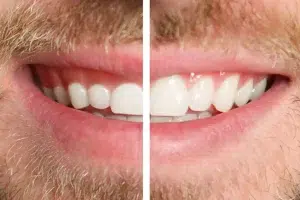
 Crown lengthening healing stages span up to two months. The first 48 hours are the most critical period. This common dental procedure involves recontouring gum tissue and sometimes bone to expose more of your tooth’s surface. Most procedures take less than an hour to complete. You might need it to restore function or improve appearance, and understanding what happens at each stage makes the process less intimidating. I’ll walk you through everything about the crown lengthening procedure in this piece. We’ll cover what crown lengthening is and why it’s recommended, what to expect before and during your appointment, recovery timelines, cost factors to think over, and before and after care instructions to ensure smooth healing.
What Is Crown Lengthening and Why Is It Done?
Understanding the Crown Lengthening Procedure
The crown lengthening procedure involves reshaping gum tissue through surgery to expose more of your tooth’s surface. A small amount of bone also requires removal in some cases. You can have this performed as soft tissue crown lengthening, where only gingival tissue is removed, or osseous crown lengthening, where both gum tissue and alveolar bone are excised. Periodontists and oral surgeons perform this procedure most of the time, though some general dentists handle straightforward cases.
The procedure works by establishing proper spacing between dental restorations and the bone that supports your tooth. This space allows your gums to breathe and remain healthy. It measures about 2-3 millimeters in length. Your body may reject dental fillings or crowns without adequate spacing. This causes inflammation, swelling, redness and bleeding.
Restorative Reasons for Crown Lengthening
Placing a crown or filling becomes difficult when a tooth fractures near or below the gumline. The procedure exposes enough tooth structure to ensure the restoration remains stable and functional. Crown lengthening allows your dentist to restore a molar that breaks during chewing without compromising strength.
Dental crowns require sufficient tooth structure above the gumline to attach securely. Crown lengthening creates the foundation you need if that structure is missing due to decay, fractures or previous restorations. Clinical data shows that restorations on teeth with inadequate crown height fail earlier due to fractures or recurrent decay. Proper crown lengthening improves both functional and esthetic outcomes.
The procedure also provides access to subgingival caries, tooth perforations and external root resorption. Excess tissue can trap bacteria and make cleaning difficult for patients with gum disease, so reshaping the gumline makes oral hygiene more effective.
Cosmetic Reasons: Fixing a Gummy Smile
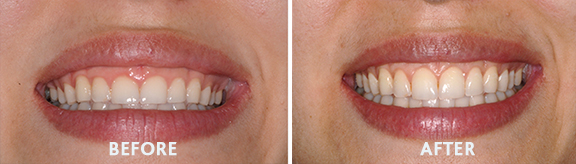
A gummy smile occurs when excessive gum tissue makes your teeth appear short or disproportionate. Gum exposure of 1-2 millimeters is what we think about as ideal, while exposures of 3 millimeters or more constitute what we recognize as a gummy smile. This condition is genetic rather than a health concern most of the time.
The procedure removes excess gum tissue and reshapes underlying bone when needed to create a more balanced, symmetrical appearance.
When Your Dentist Might Recommend It
Your dentist might suggest crown lengthening if your tooth has broken at the gumline, decay extends below the visible surface, or insufficient tooth structure exists for proper crown placement. This procedure provides the foundation you need if you’re preparing for veneers or crowns and need more natural tooth exposure for optimal esthetics.
What to Expect Before Your Crown Lengthening Procedure
Original Consultation and Examination
Your periodontist examines your teeth and gums at the time of the first appointment. Photos document your current gumline and help develop the treatment plan. X-rays may be taken to assess bone levels and tooth structure. This visit gives you a chance to express your treatment goals and ask questions about the crown lengthening procedure. You should feel comfortable with your periodontist, so discuss any concerns openly during this consultation.
Medical History Review and Pre-Surgical Planning
Your periodontist reviews your complete medical history before scheduling surgery. Tell them about all medications you take, including blood thinners and supplements, as some affect healing or require adjustments. Sedation options get discussed during this phase since most patients choose it to stay comfortable. You’ll receive pre-operative instructions about medication restrictions and fasting requirements if sedation is used, plus special mouth rinses to reduce bacteria. Your periodontist coordinates with your general dentist to determine how much tooth structure needs exposure in restorative cases.
Crown Lengthening Cost and Insurance Coverage
Crown lengthening cost varies based on procedure complexity and number of teeth with the issue. Simpler cases with only gum tissue adjustment range from $800 to $2,000 per tooth. More complex procedures requiring bone removal cost between $2,000 and $3,000 per tooth. Insurance covers crown lengthening when medically needed to restore function, but cosmetic procedures receive limited or no coverage. Check with your insurance provider beforehand to understand your specific coverage details.
Your Appointment Day Preparation
You may need professional dental cleaning before surgery to minimize infection risk. Stock up on soft foods and plan to rest after the procedure. Good oral hygiene before surgery reduces bacteria and promotes faster healing.
What Happens During the Crown Lengthening Procedure
Anesthesia and Comfort Measures
The periodontist administers local anesthesia to numb the surgical site. You won’t feel pain during the procedure due to this numbing effect. Sedation options like nitrous oxide or oral sedatives help you stay relaxed throughout the appointment if dental anxiety concerns you. The anesthetic takes effect within a few minutes and lasts for the procedure’s duration.
Gum Tissue and Bone Reshaping Process
Once you’re numb, the periodontist makes small incisions in your gum tissue to pull it away from the teeth. This exposes the roots and bone underneath. The excess gum tissue gets removed with care. Small amounts of alveolar bone are removed if bone reshaping is needed to achieve proper tooth exposure. Some practices use advanced laser technology that minimizes bleeding and eliminates the need for stitches in certain cases.
The surgical area is rinsed really well with a sterile salt water solution after that. The gum tissue is repositioned and secured with sutures. A protective dressing or bandage may be placed over the treated area to support healing and help gums maintain their new shape.
How Long Does the Procedure Take
The procedure takes 30 to 60 minutes in most cases. Complex cases with multiple teeth or extensive bone work may extend to 90 minutes. Single tooth procedures finish faster than full smile makeovers that involve several front teeth.
What You’ll Feel During Treatment
You’ll feel no pain during the actual surgery thanks to anesthesia. Some patients report sensing pressure or tingling as the periodontist works, but these sensations remain painless. Modern crown lengthening techniques use precise instruments that minimize tissue trauma.
Crown Lengthening Recovery: What to Expect After
First 48 Hours: Pain and Swelling Management
You’ll experience some discomfort, swelling, and minor bleeding after your crown lengthening procedure. Pain peaks during the first 24-48 hours. Take ibuprofen (400-600mg every 6-8 hours) or acetaminophen as directed. Your periodontist may prescribe stronger pain medication if needed.
Ice packs applied to your face for 10 minutes on and 10 minutes off during the first 24 hours will reduce swelling. Switch to warm compresses after 72 hours. Extra pillows that lift your head while sleeping will minimize swelling. Hot foods should be avoided for the first 24 hours, and don’t rinse your mouth since both can prolong bleeding.
Week 1-2: Suture Removal and Original Healing
Your periodontist removes sutures after 7-14 days, though some may remain up to 30 days. Dissolvable sutures fall out on their own within 4-6 days. Swelling and discomfort decrease substantially during this period. Soft foods and gentle brushing around the treated area work best.
Weeks 3-6: Tissue Stabilization
Gum tissues begin stabilizing in their new position during weeks 3-6. Sensitivity decreases as healing progresses. You can reintroduce firmer foods as comfort allows.
Complete Healing Timeline and Final Results
Complete healing takes approximately three months. Soft tissue stabilization often requires 6-8 weeks, with full maturation around the three-month mark. Esthetic cases may take 4-6 months to ensure optimal results.
Research shows tissue rebound occurs within the first three months, with stabilization gained after this period. Osteoblastic activity peaks between the third and fourth week after bone reduction.
Aftercare Instructions for Smooth Recovery
Meticulous oral hygiene matters. Rinse with prescribed mouthwash or warm salt water after 24 hours. Rinse as often as you eat to prevent debris accumulation. The surgical site should not be brushed until your periodontist clears you.
Soft and bland foods like yogurt, soup, and mashed vegetables work best for the first 5-7 days. Hard, crunchy, and spicy foods should be avoided. Smoking should be stopped for at least 7-10 days, as it substantially slows healing. Alcohol should be avoided until after your post-operative appointment.
Strenuous activity, heavy lifting, and vigorous exercise should be limited for the first week. Swimming, diving, and contact sports are off-limits. Rest promotes faster healing.
When You Can Get Your Permanent Crown
Your permanent crown gets placed after gums heal. Dentists recommend waiting at least 2-3 months before placing the crown. Esthetic cases with front teeth may require a waiting period of 4-6 months to ensure tissue maturity and stability. Literature consensus indicates a minimum of 6 weeks for functional restorations and 3 months for esthetic cases.
Crown placement done too soon risks gum recession, inaccurate crown fit, and increased complications. Your periodontist monitors healing and confirms when the time is right for final restoration.
Crown lengthening might seem daunting at first, but you now understand what happens at each stage. The procedure itself takes less than an hour. Recovery requires patience, and most discomfort resolves within two weeks. Follow your periodontist’s aftercare instructions and resist the temptation to rush your final crown placement. Wait the full healing period to achieve better long-term results and a healthier, more confident smile that lasts.
FAQs
Q1. How long does it take to fully recover from crown lengthening surgery? Complete healing from crown lengthening takes approximately three months. Soft tissue stabilization typically occurs within 6-8 weeks, with full tissue maturation around the three-month mark. For esthetic cases involving front teeth, the healing period may extend to 4-6 months to ensure optimal results and tissue stability.
Q2. Is crown lengthening a painful procedure? You won’t feel pain during the actual surgery due to local anesthesia that completely numbs the surgical site. After the procedure, some discomfort and swelling are normal, with pain typically peaking during the first 24-48 hours. This can be managed effectively with over-the-counter pain medications like ibuprofen or prescribed pain relievers from your periodontist.
Q3. How much does crown lengthening typically cost? The cost varies based on procedure complexity and the number of teeth involved. Simpler cases involving only gum tissue adjustment typically range from $800 to $2,000 per tooth, while more complex procedures requiring bone removal cost between $2,000 and $3,000 per tooth. Insurance usually covers the procedure when it’s medically necessary for restorative work.
Q4. When can I get my permanent crown after crown lengthening? Dentists generally recommend waiting at least 2-3 months before placing your permanent crown to allow gums to fully heal. For esthetic cases involving front teeth, the waiting period may extend to 4-6 months to ensure tissue maturity and stability. Rushing crown placement risks gum recession, inaccurate crown fit, and increased complications.
Q5. What foods should I eat during recovery from crown lengthening? Stick to soft, bland foods like yogurt, soup, and mashed vegetables for the first 5-7 days after surgery. Avoid hard, crunchy, spicy, or acidic foods during this initial healing period. You can gradually reintroduce firmer foods as comfort allows, typically after weeks 3-6 when tissues begin stabilizing in their new position.
Torbeck Dental Provides Periodontal Treatments Like Crown Lengthening
Professional periodontal treatments are vital for keeping your gums in top condition. We may recommend scaling and root planing to remove tartar below the gumline and smooth out rough spots on tooth roots where bacteria gather.
> Learn More
Contact us (859) 586-7900 for more information or to make an appointment!
—
 About Torbeck Dental
Torbeck Dental treats every patient with dignity and excellent care. We are highly trained dental professionals with exceptionally friendly and helpful service. We understand that for many, visiting a dentist can be a stressful experience so our comfortable surroundings and compassionate staff will ease any fears you may have. We are here to help you achieve your happiest and healthiest smile! Our dental team are a group of experienced professionals using the latest treatments. Our team has the professional experience to realize that there is no such thing as one-size-fits-all treatment, so we never use a one-size-fits-all approach to your dental plan. We provide quality and personalized oral health care while keeping your individuality in mind. Our goal is to improve and maintain your oral health so you can smile with confidence!